
Not Every Customer Is Worth Chasing the Same Way
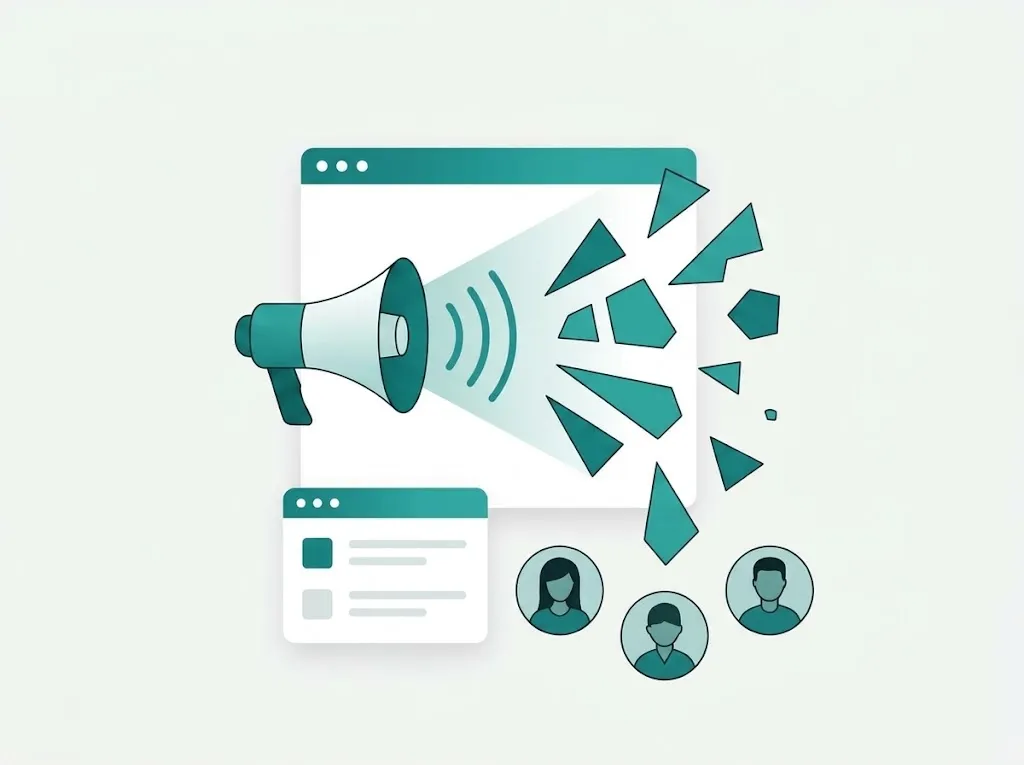
Trying to market to everyone usually means resonating with no one. ByteWrites’ segmentation and target audience analysis service breaks your broader market into distinct, meaningful groups — based on who they are, how they behave, and what actually drives their decisions — so your messaging, pricing, and outreach can speak directly to the people most likely to buy, instead of talking past them.
This isn’t about slicing your audience into arbitrary buckets. It’s about understanding, with real evidence, which segments are worth the bulk of your time and budget, and which ones are quietly draining resources without ever converting.
Signs You Need This
Your marketing messaging feels generic, because it's trying to speak to "everyone" at once
Some customers convert quickly and stay loyal, while others churn fast — but you're not sure why
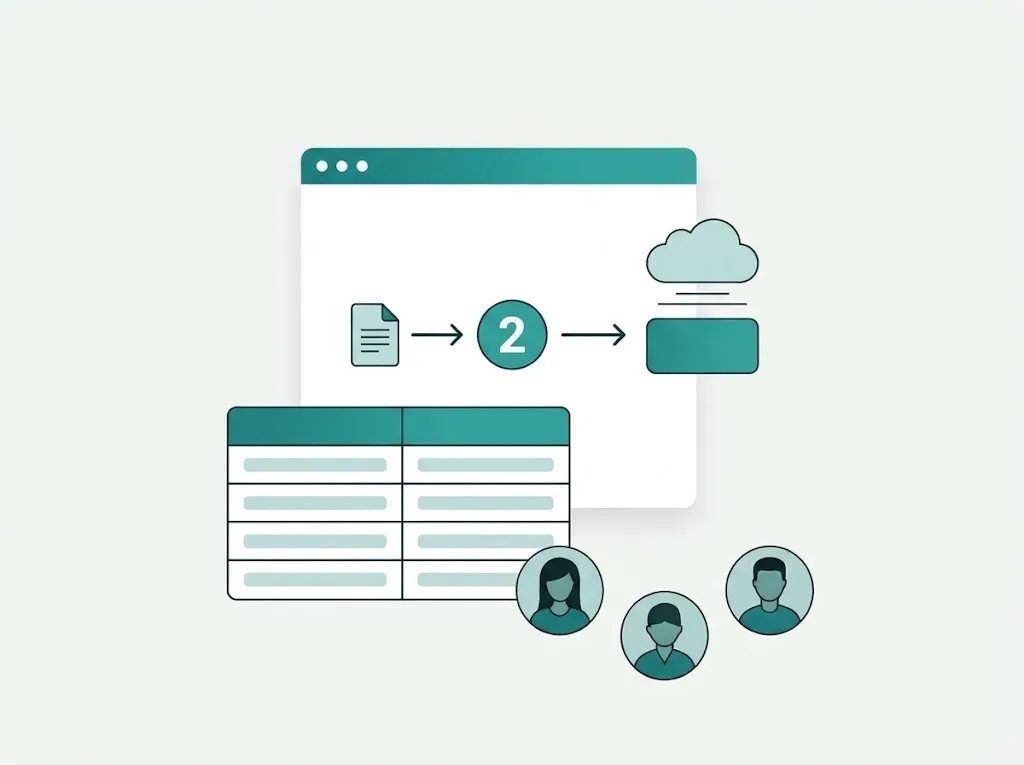
Sales and marketing can't agree on who the "ideal customer" actually is
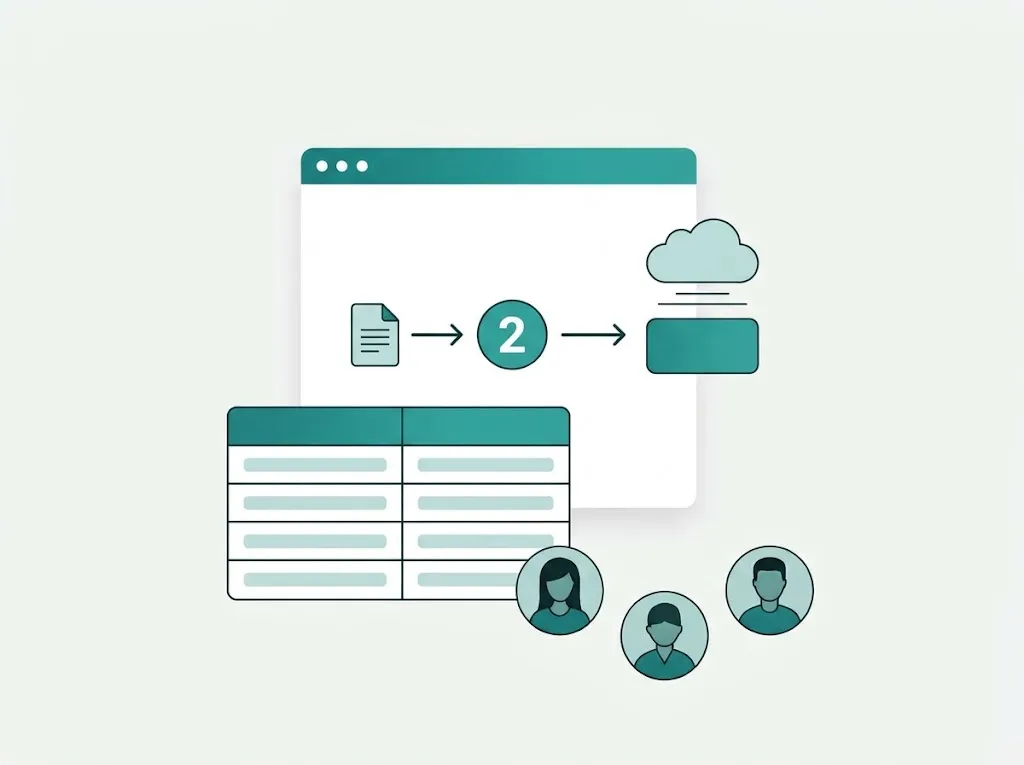
You're spending equally across all leads, regardless of how well they actually fit your business
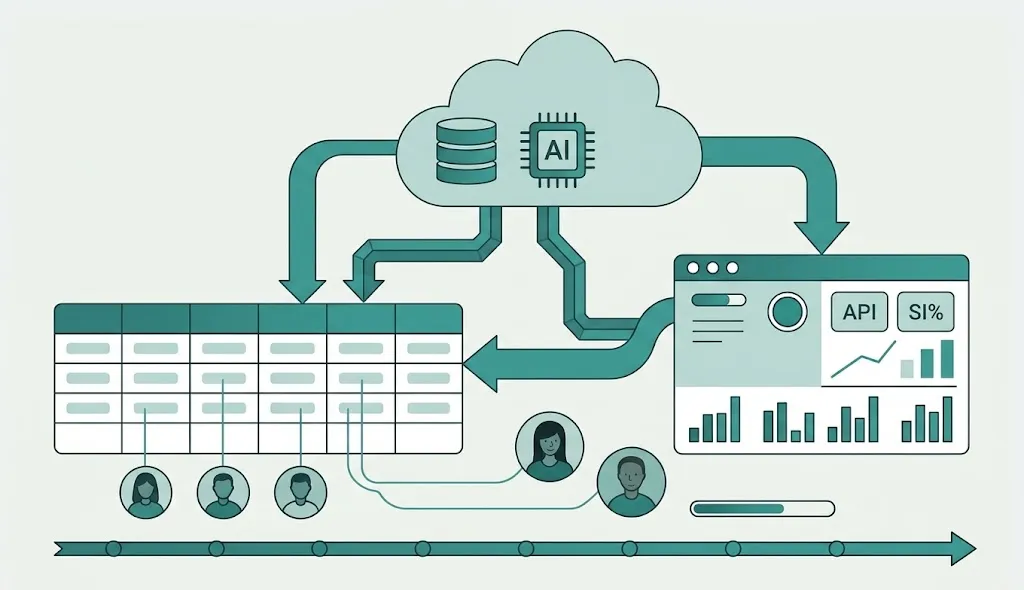
If any of that sounds familiar, the problem usually isn’t your offer — it’s that you haven’t clearly defined who it’s really for.
Our Telemarketing Launch Process
A rigorous 6-step methodology combining strategy, compliance, and real-time caller training.
Total Addressable Market (TAM) Mapping
Before narrowing anything down, we size up the full universe of potential customers who could realistically benefit from what you offer.
Firmographic & Demographic Filtering
For B2B, this means company size, industry, revenue, and location. For B2C, it's age, income, and other core demographic traits. This is usually the first filter applied before layering in anything more nuanced.
Behavioral Segmentation
We look at what prospects actually do — pages visited, content downloaded, time spent on pricing pages — since behavior often reveals buying intent more accurately than demographics alone.
Psychographic Analysis
Beyond who they are and what they do, we dig into what drives them — values, priorities, and the specific pain points that push a decision from "maybe" to "yes."
Segment Prioritization
Not every segment deserves equal attention. We rank segments by revenue potential and fit, so effort goes where it actually pays off.
Persona & Messaging Alignment
Each priority segment is translated into a clear profile your marketing and sales teams can actually use — not an abstract slide that gets forgotten after the meeting.
Why Segmentation Actually Moves the Needle?
A message built for “everyone” ends up landing with no one in particular. When you know exactly who you’re talking to — their role, their pressures, what they’ve already tried and rejected — messaging gets sharper, ad spend gets more efficient, and sales conversations start from a place of relevance instead of a generic pitch. Segmentation also protects against a common trap: chasing customer types that generate volume but never turn into profitable, long-term relationships.
Who This Is For
Scattered Messaging
Businesses whose messaging feels scattered or tries to appeal to too broad an audience
Unpredictable Retention
Companies with inconsistent conversion or retention rates across different customer types
ICP Misalignment
Sales and marketing teams misaligned on who the ideal customer actually is
Unvalidated Expansion
Businesses planning to expand into a new segment or vertical and needing to validate the fit first
Frequently Asked Questions
Segmentation divides your broader market into distinct groups based on shared traits. Target audience analysis goes further, examining the specific needs, behaviors, and motivations within the segments you decide to prioritize.
No. While the criteria differ, segmentation applies to B2C as well — demographic and psychographic segmentation are especially common for consumer-facing businesses.
There's no fixed number — it depends on your market and resources. The goal isn't creating as many segments as possible, but identifying the few that are genuinely worth prioritizing.
Both. Analyzing your current customer base often reveals patterns that inform which new segments are worth pursuing, so we always start there before layering in external research.
Segmentation directly shapes targeting — once we know which groups matter most, that insight feeds into how we build campaigns, messaging, and outreach across ByteWrites' lead generation services.
Stop Marketing to Everyone and Start Targeting the Right People
Find out exactly who your best-fit customers are, and build a strategy around reaching them specifically.

