

Table of Contents
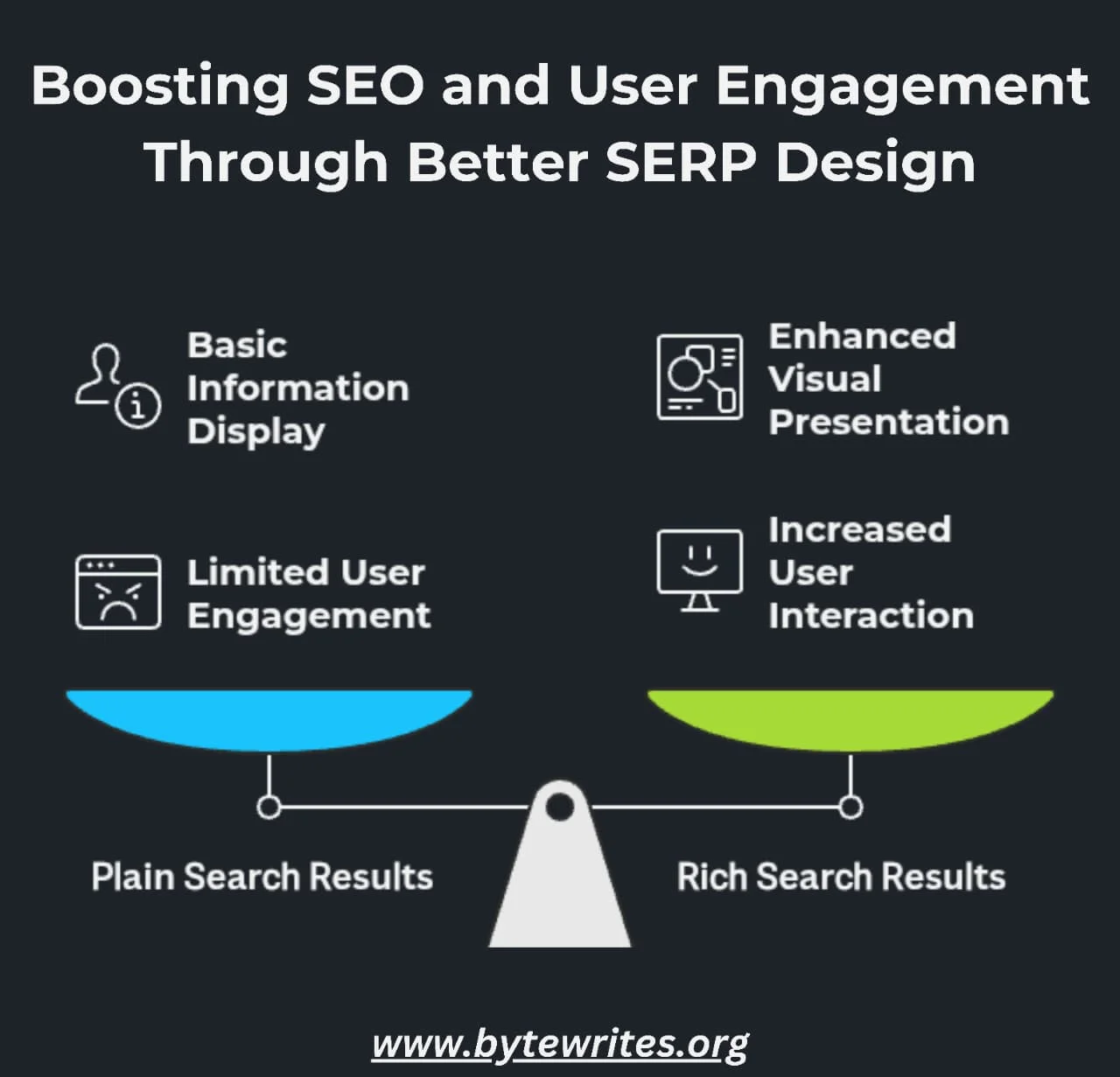
Have you ever searched for something on Google and noticed some results pop more than others? They might have star ratings, FAQs that expand, or even direct answers in the search results. That’s the power of structured data.
In today’s SEO landscape, great content alone isn’t enough. Search engines need to understand your content to showcase it in these eye-catching formats. Structured data acts like a translator, giving search engines clear context so your pages become eligible for rich results.
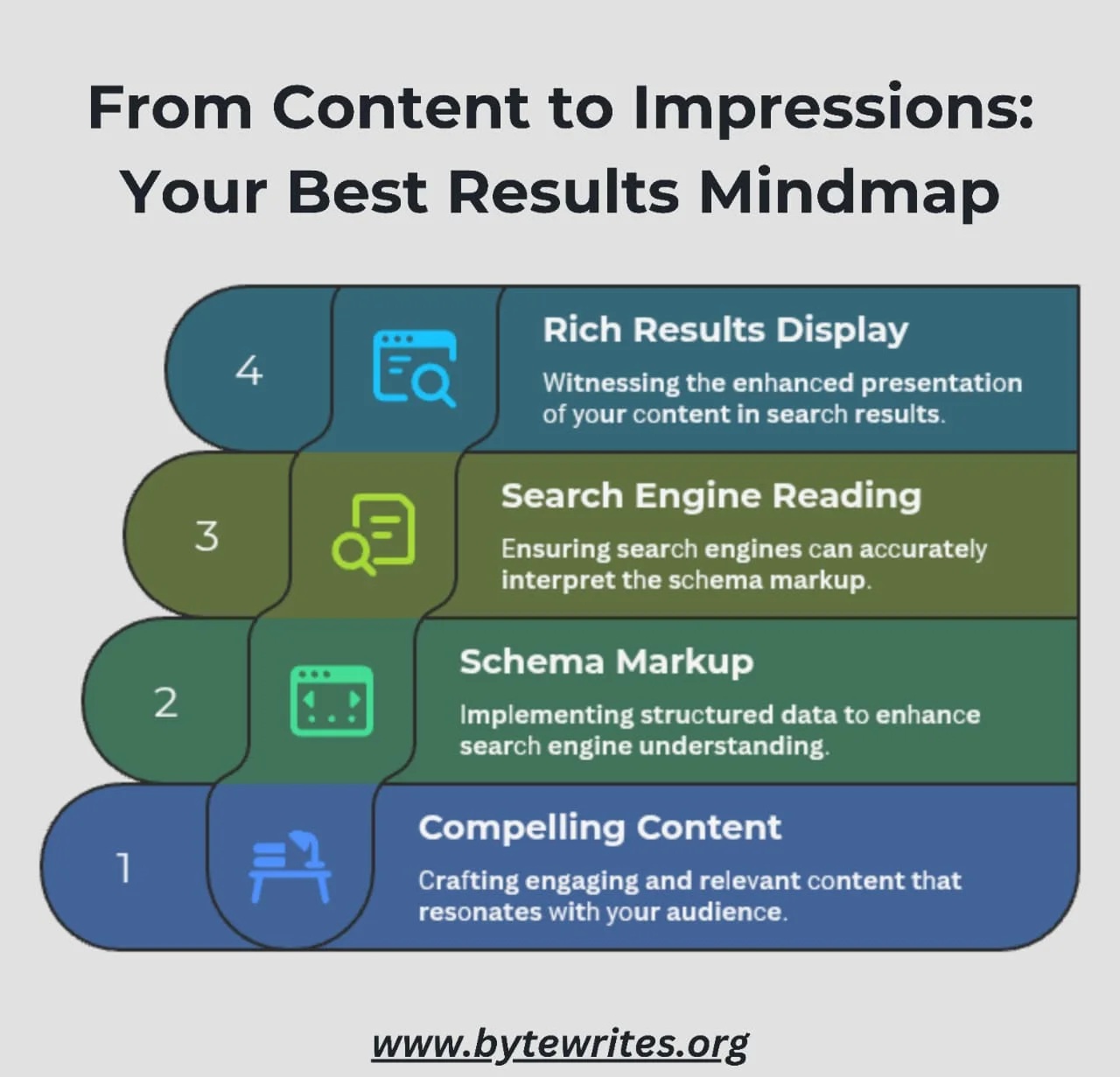
The reward? More visibility, more clicks, and more visitors. All of this because your content didn’t just appear in search results… it stood out. Whether you are a business looking for the best SEO content writing services or a brand in need of SEO-friendly content writing services, structured data can help maximize reach and engagement.
What You Will Learn in This Guide
- What structured data is and how it powers semantic SEO
- The most useful schema types for content writers
- Real-world statistics showing its impact
- Step-by-step: How to add and test structured data
- Common mistakes to avoid
- Future trends to keep an eye on
- Clear takeaways for action
- FAQs
Understanding Structured Data and Semantic SEO
Structured data is a standardized way to tell search engines exactly what’s on your page.
It uses formats like JSON-LD (a way of writing data in a code block) to label your content as an “article,” “FAQ,” “product,” or something else.
Quick Tip: What is JSON-LD?
Think of JSON-LD as a digital label maker for your web page.
- JSON: The “language” used to store and share data.
- LD (Linked Data): How that data connects to other information on the web.
Together, it’s like sticking a neat, clear label on your content so Google knows exactly what it is.
In simple terms, structured data is like giving your web page a name tag at a conference. Instead of the search engine guessing, you are telling it upfront, “Hi, I am an FAQ page about running shoes,” or “I am a product page selling handmade candles. “Schema markup is the code behind structured data. It was developed by Schema.org and is now used by over 45 million domains.
Why Structured Data Matters?
Structured data is not just tech jargon; it is the bridge between your content and how search engines understand it. Without it, Google has to guess what’s on your page. With it, you are giving clear signals that can transform a plain blue link into an eye-catching rich result in search. This extra visibility can mean more clicks, more traffic, and better user trust.
1. Enhanced Search Appearance
Structured data lets your content appear in rich results like FAQ dropdowns, knowledge panels, recipe cards, or product listings. These grab user attention instantly.
2. Higher Click-Through Rates
- FAQ snippets can boost CTR by up to 87% .
- Search Engine Land found pages with structured data see up to 30% higher CTR.
3. More Visibility & Traffic
With 30% of search results now showing rich snippets, adding structured data increases your chances of being noticed. Some sites have seen a 50% boost in traffic after implementation.
4. Indirect SEO Boost
It is not a direct ranking factor, but it improves indexing and user engagement. Both of these help your SEO.
5. Ready for Voice Search & AI
Structured data feeds information to voice assistants and AI tools, so your content can be used in spoken answers or AI summaries.
Types of Structured Data Content Writers Should Use
| Schema Type | Why It’s Useful |
| Article / Blog Posting | Highlights articles in carousels and boosts authority. |
| FAQ / How-To | Displays interactive Q&A or step-by-step guides directly in results. |
| Product / Offer | Shows price, stock, and ratings: perfect for e-commerce. |
| Local Business | Improves local SEO with contact info and hours. |
| Event / Review | Adds event dates or review stars for quick user insights. |
FYI: Google recommends JSON-LD because it’s cleaner and easier to maintain than inline code.
How to Add Structured Data?
Follow these steps to add structured data:
Step 1: Choose a Format
- JSON-LD (best option): separate code block in your HTML.
- Microdata or RDFa: embedded in HTML tags, more error-prone.
Step 2: Use Tools
If you use WordPress, plugins like Yoast, schema & structured data for WP, AIOSEO, or Schema Pro make it easy.

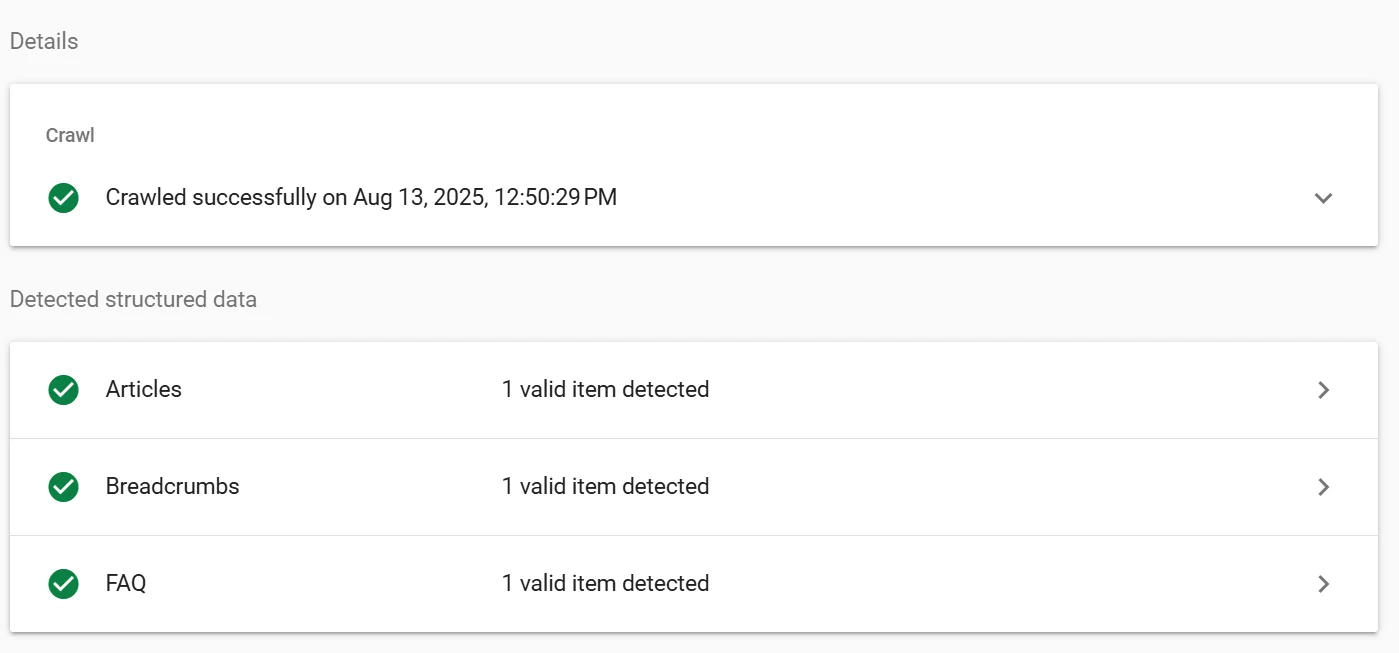
Step 3: Validate It
Use:
- Google’s Rich Results Test
- Schema.org Validator
- Google Search Console’s structured data reports
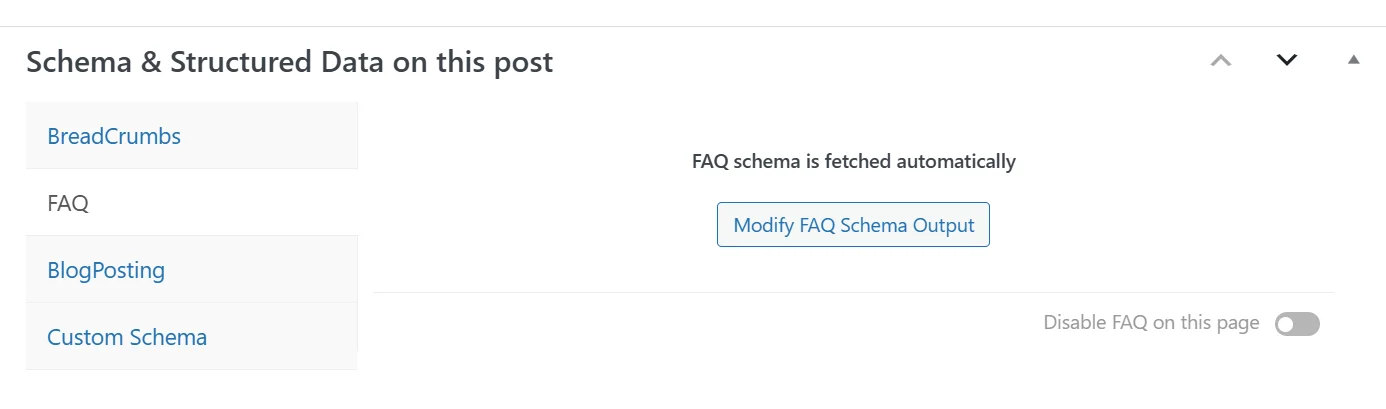
Tip of the Day: Start with FAQ schema; it’s simple and often delivers the biggest visibility boost.
Common Mistakes to Avoid
- Picking the wrong schema type for your content:For example, using the “Product” schema for a blog post instead of “Article” can confuse search engines.
- Leaving out required fields: Each schema type has certain must-have properties (like “name” or “price”). If you skip them, Google might ignore your markup entirely.
- Not updating schema when details change: If your content’s prices, dates, or hours change but your schema still shows old info, it can hurt trust and rankings.
- Forgetting to validate: Even a small syntax error (like a missing comma in JSON-LD) can break the schema. Always use Google’s Rich Results Test or Schema.org’s validator.
Future of Structured Data
- AI-powered schema generation: Tools will automatically detect your page’s content and create schema code, saving time and reducing human error.
- Voice search optimization: Smart speakers and voice assistants rely heavily on structured data to give accurate answers.
- New schema types emerging: As technology changes, new schema categories will appear (for AR/VR content, interactive media, etc.), and staying updated will be key.
- Integration with AI search tools; Search engines with AI capabilities (like Google’s SGE) will prioritize content that’s cleanly structured and easy to interpret.
Key Takeaways
- Structured data is essential for semantic SEO.
- It boosts clicks, visibility, and engagement.
- Start with simple schemas like FAQ or Article.
- Always validate and keep it updated.
- Track the impact using Google Search Console.
Case Studies:
Eventbrite, one of the world’s largest event technology platforms, implemented Google’s Event structured data across all their event pages. They followed Google’s documentation, adopted templated markup, and validated the implementation using Search Console and the Structured Data Testing Tool
Within a month of implementing the enhanced search experience powered by structured data, Eventbrite observed a 100% increase in year-over-year growth of traffic from Google Search to their event listing pages, as measured in Google Analytics.
“In the month following implementation of the new search experience, we saw roughly a 100-percent increase in the typical year-over-year growth of traffic from Google Search to our event listing pages.” — Allen Jilo, Eventbrite product manager.
How ByteWrites Can Help?
Implementing structured data might sound technical, but with the right partner, it’s straightforward. At ByteWrites, we offer the top content writing services and b2b content writing services alongside seo copywriting services to help content creators, businesses, and e-commerce brands:
- Audit existing content to identify structured data opportunities
- Implement the right schema types for maximum impact with SEO-friendly content writing services
- Validate and monitor markup to ensure ongoing eligibility for rich results
- Train your team so you can maintain and expand your structured data strategy in-house
- Stay ahead of trends by adapting your markup for voice search and AI search results
Whether you’re looking for affordable content writing services to start small with a few FAQ schemas or roll out product markup across thousands of listings, content writing experts have the tools, experience, and processes to make it happen.
Want a comprehensive guideline for seo copywriting services? Read our blog “SEO Copywriting Services That Rank and Convert.”
FAQs
What’s the difference between structured data and regular metadata?
Regular metadata (like meta titles and descriptions) tells search engines what your page is about in broad terms. Structured data, on the other hand, uses a standardized format to give precise meaning e.g., “This is a review with a 5-star rating from 200 customers.” This makes your content eligible for richer search displays.
Does structured data directly improve rankings?
No. Google has said it’s not a direct ranking factor. However, it indirectly helps by increasing your CTR, improving user experience, and making your page more engaging in search results. Over time, this can influence your rankings positively.
Which is better: JSON-LD or Microdata?
Google recommends JSON-LD because it’s cleaner, easier to manage, and doesn’t mix with your HTML content. Microdata and RDFa work, but they’re harder to maintain especially for non-technical content creators.
How do I know my structured data is working?
Run your URL through Google’s Rich Results Test to see if your markup is valid and what rich results it’s eligible for. Then monitor performance in Google Search Console under the “Enhancements” section to track impressions and CTR for rich results.
What types of content benefit the most from schema markup?
Content with clear, structured information such as articles, FAQs, recipes, events, reviews, and product listings sees the most benefit. These formats align perfectly with schema types and can trigger rich results quickly.
Do I need to update structured data when my content changes?
Yes, absolutely. If you change a product price, add new FAQs, update business hours, or alter event details, update your schema at the same time. Outdated structured data can mislead users and reduce trust.
Quick Glossary
- Structured Data: Extra code you add to your web pages to help search engines understand your content better.
- JSON-LD: A popular format for writing structured data; think of it like a clear label for your content.
- Schema Markup: The actual “labels” and “tags” in code form, based on a standard created by Schema.org.
- Rich Result: A fancy search result that goes beyond a blue link like FAQs, ratings, images, or recipe cards.
- CTR (Click-Through Rate): The percentage of people who see your link in search results and actually click it.
- Indexing: The process where search engines store and organize your web pages so they can show up in search results.